EVENT COVERAGE 2026 | LITTLE CAYMAN
GEAR TESTS: Canon EOS R6 III UNDERWATER CAMERA REVIEW

JAMES EMERY
Marketing and Media Manager
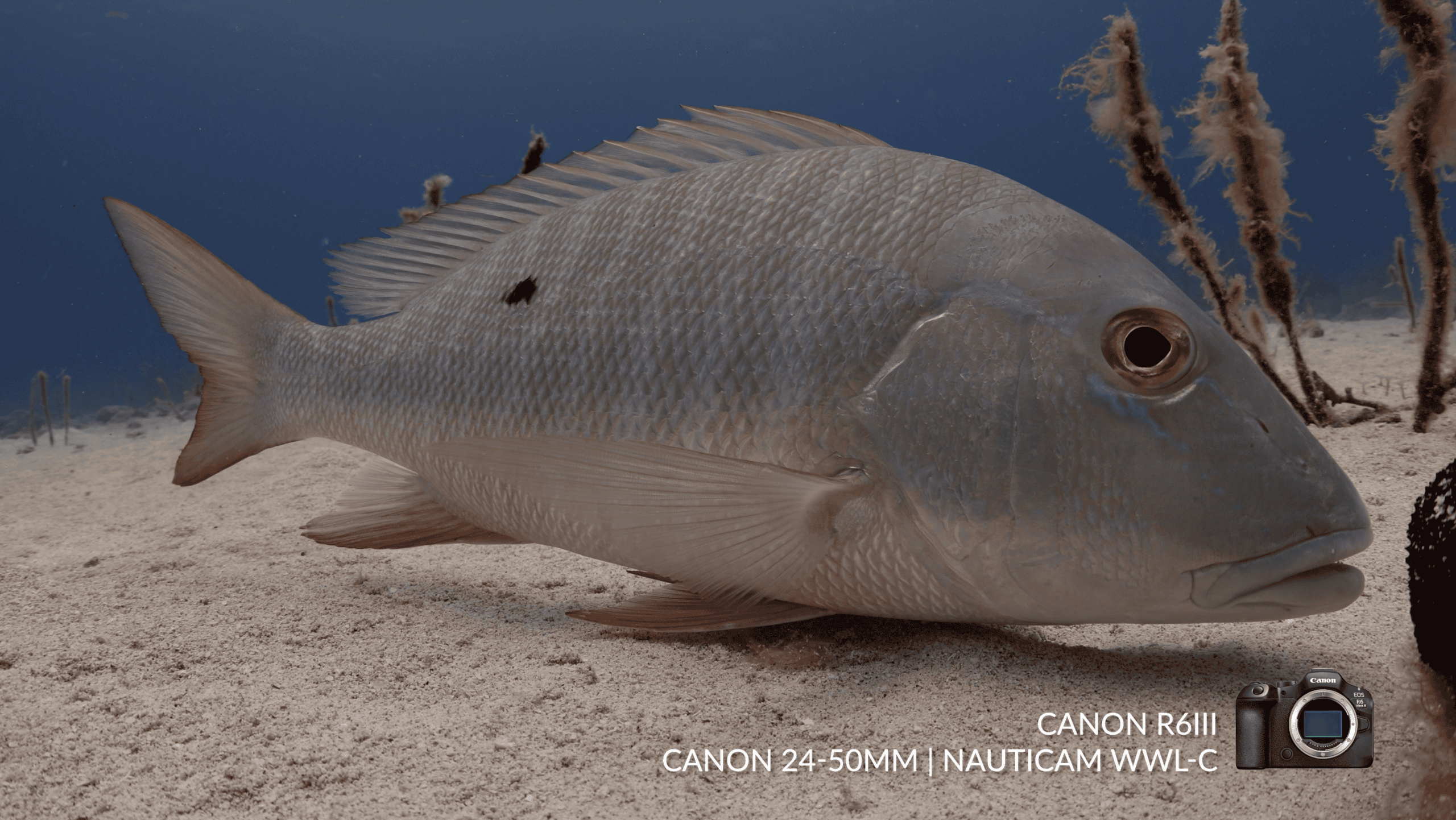
The video performance of the Canon R6 Mark III really impressed me during the Digital Shootout in Little Cayman. Shooting in 4K at 60fps on the standard picture profile, it proved to be an absolute powerhouse right out of the box.
One of the biggest workflow advantages underwater is how incredibly easy Canon has made custom white balance. By mapping it to a custom button, I was able to pull an accurate reading with just a quick press of the trash button. This ease of use lets you focus on the action rather than menu diving. The camera beautifully maintains Canon’s renowned ambient light color science—I was easily able to retain deep, rich reds even down at 80 feet / 24 meters.
The autofocus was another major standout, consistently and reliably tracking subjects no matter how fast the marine life—or I—was moving in the water column. Ultimately, the R6 Mark III is a fantastic, dependable hybrid option for anyone looking to shoot both professional-quality stills and video.

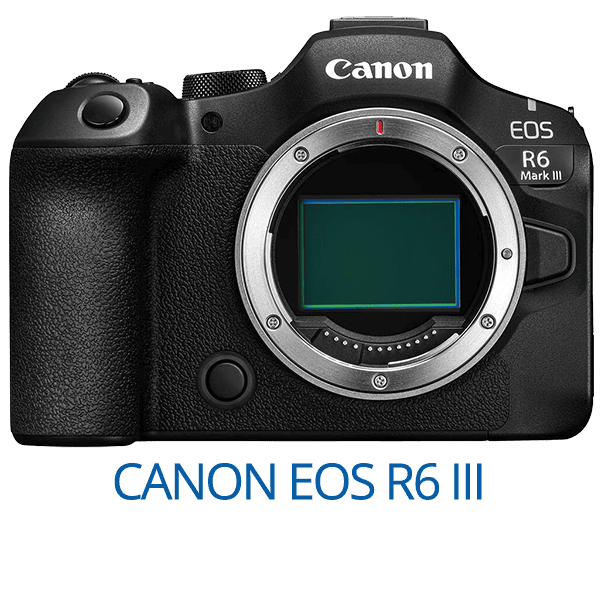
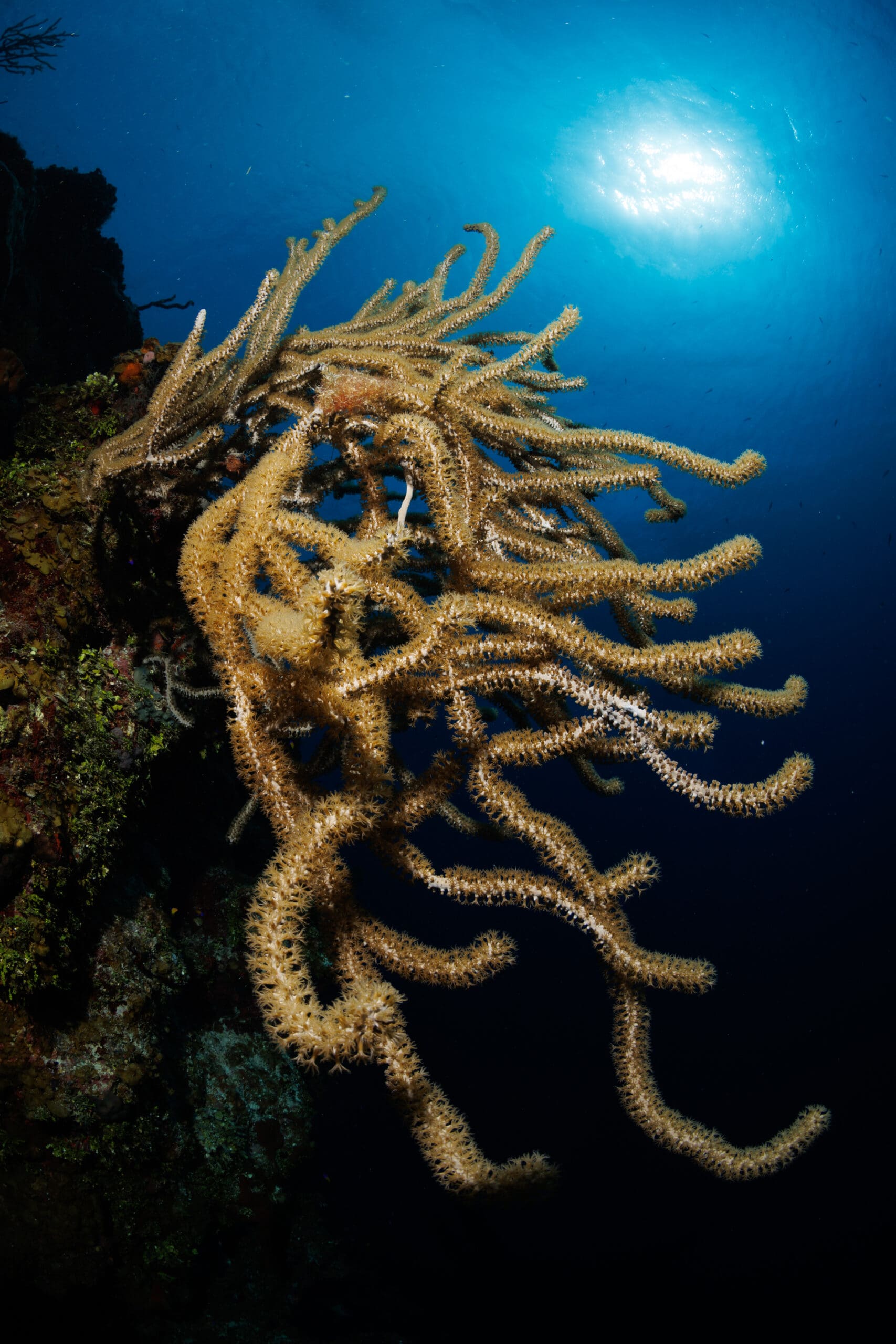
The Canon R6 III is a mid-range full frame camera that borrows a lot from the Canon R5II. What stood out most is how much the mid‑range full‑frame segment has caught up to the flagship. Overall image quality is pretty decent. However, compared with higher-resolution, higher-end sensors, it falls apart a little bit in the highlights especially sun balls.
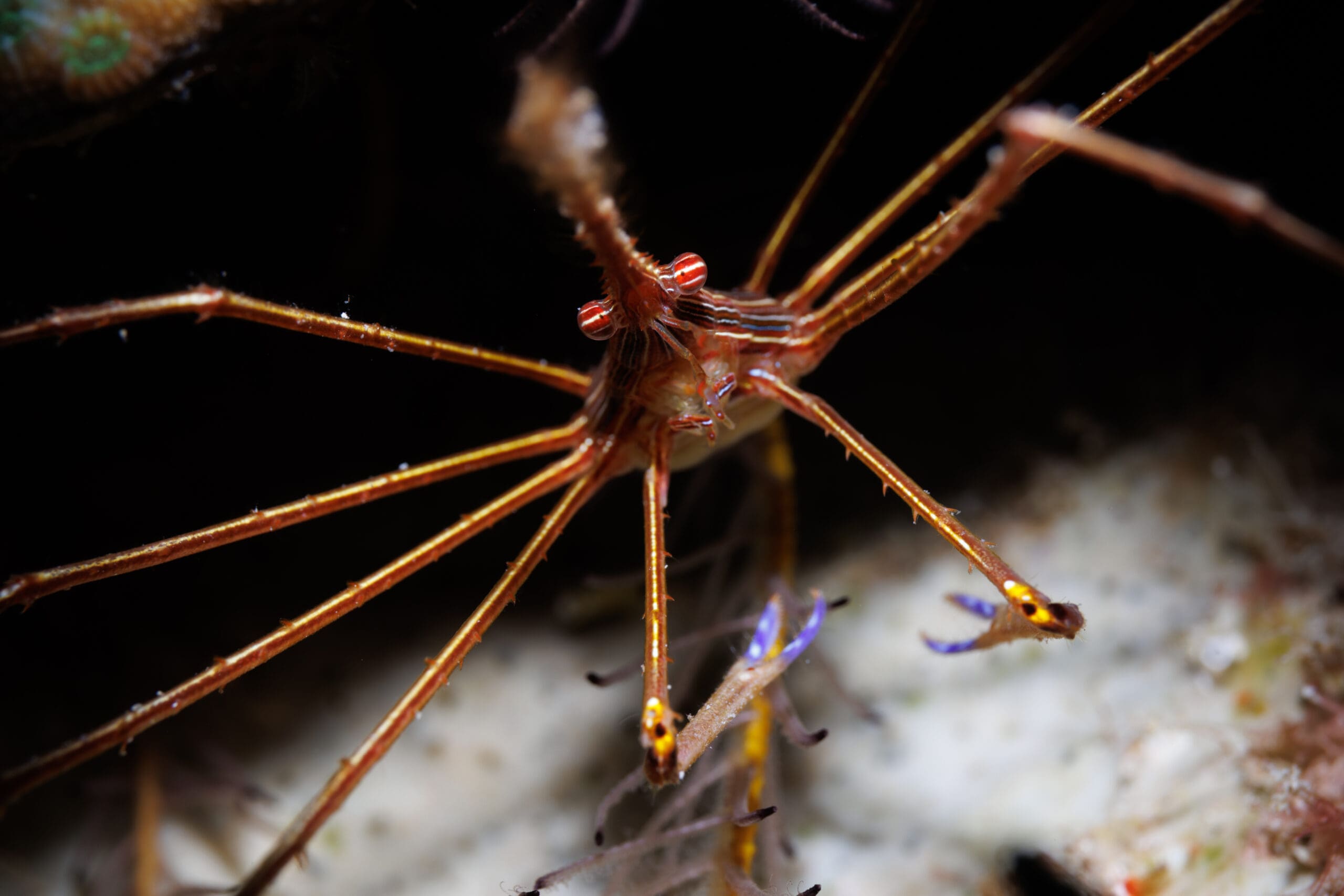
Canon’s subject tracking is the headline here. In wide angle the R6 III locks onto subjects quickly and tracks them as they move across the frame–really well and reliably. However we all know that wide angle focus is not much of a challenge for an autofocus system, it’s macro where it counts with the much thinner depth of field. I ran into some odd behavior in macro.
The AF system would recognize the subject when I put the focus square on it, start tracking and focusing. However there were many times where it would lose the focus but still recognize and track the out of focus subject and never recover focus. The only fix was to lift off the AF-ON button and re-acquire. I’ve seen times where cameras would lose focus and the subject but I’ve never seen a camera perfectly track a subject out of focus.
All this being said, don’t take these 2 digs on it to heart too much. You’re getting a monster of a camera for a good price, especially on the video side. The other Backscatter testers will dive into that aspect more, so make sure you read their reviews.

THOMAS ANDERSON
Media Producer
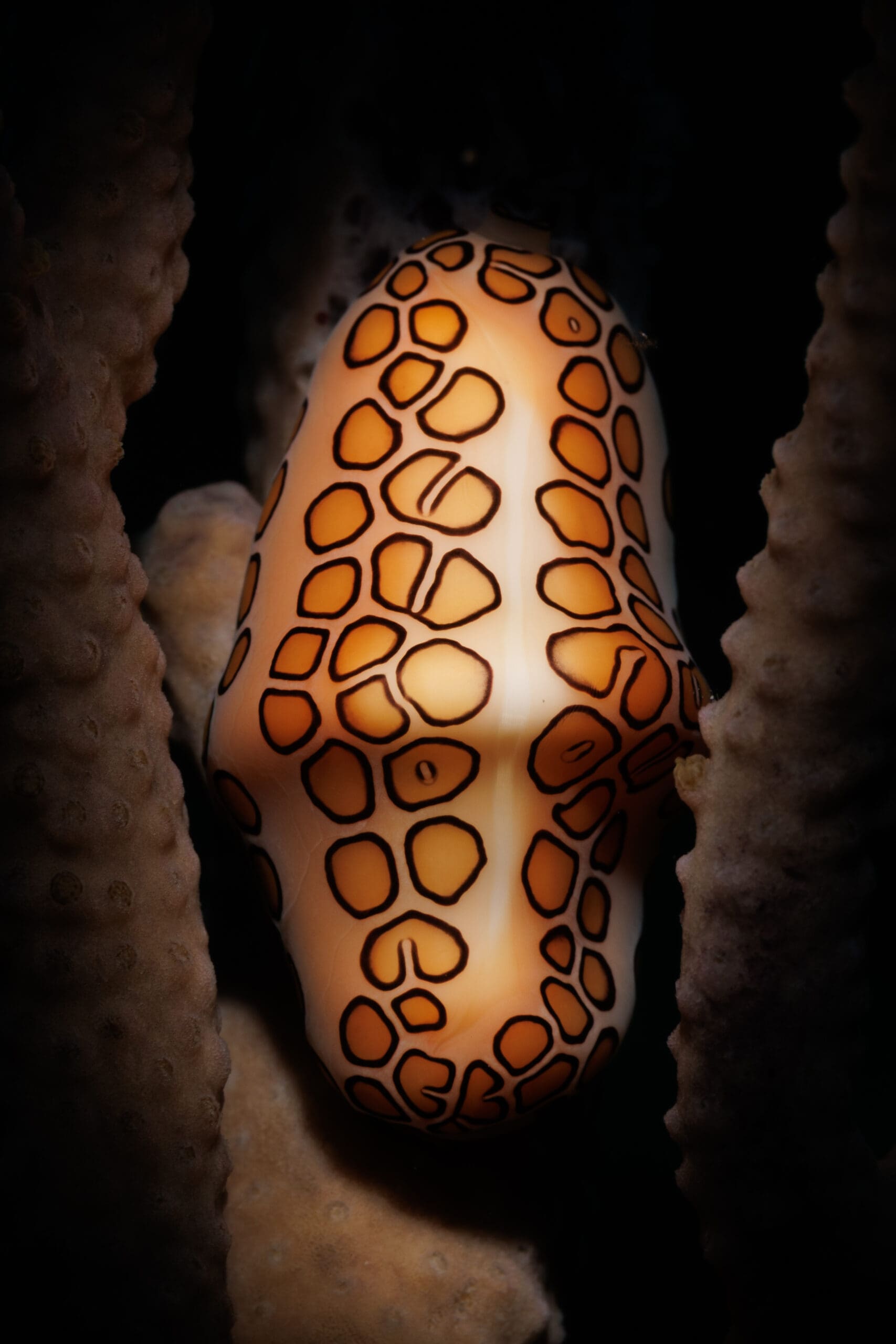
I had the extreme pleasure of shooting the Canon R6 III during the shootout. With a 33-megapixel sensor, great color, and fast, effective autofocus tracking, the R6 III was a joy to shoot. It captured great sunballs, and I would be happy to take it on virtually any trip to photograph any subject.
Though I am not a huge fan of Canon’s menus, they do become familiar after some use. The electronic viewfinder is also excellent, especially when using Canon’s optical viewfinder simulation mode.
The Canon R6 III is phenomenal for video as well, capturing accurate colors with a manual white balance down to at least 100 feet. The white balance procedure is also far less clunky than on previous Canons, which is a major improvement.
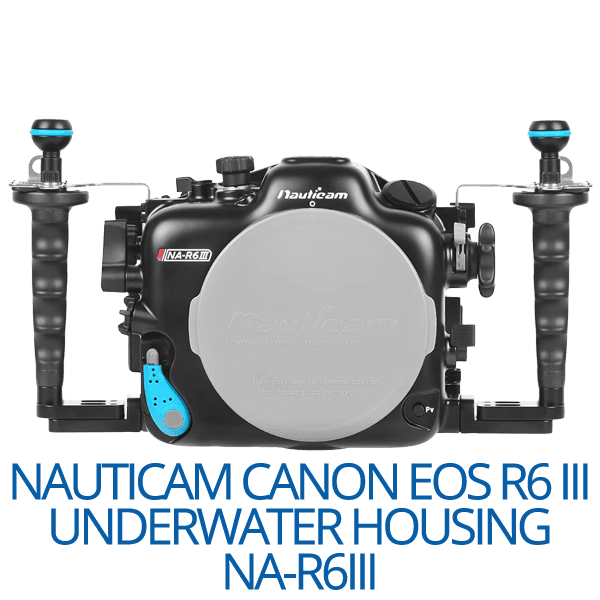
I used the R6 III with a Nauticam housing, which was ergonomic and easy to use. Overall, my time with the R6 III left me wanting to dive and shoot with it more, and it might just become my primary camera.