EVENT COVERAGE 2026 | LITTLE CAYMAN
GEAR TESTS: SONY A7 V UNDERWATER CAMERA REVIEW

JAMES EMERY
Marketing and Media Manager
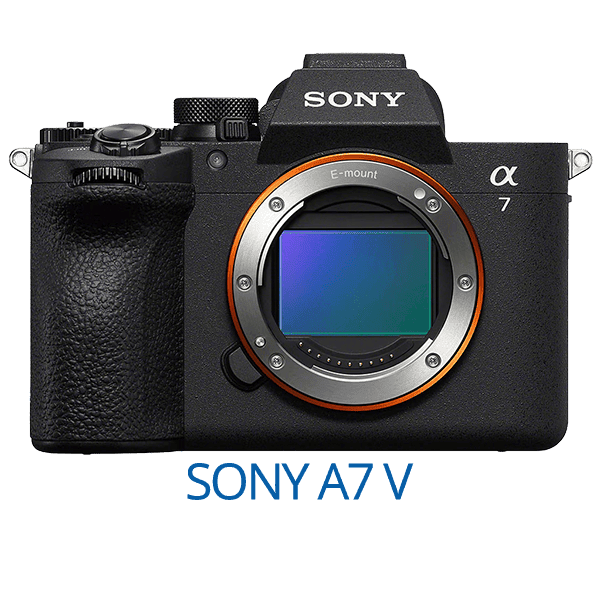
The Sony A7 V positions itself as an excellent entry-level full-frame option, and it is highly suitable for divers who want the flexibility to shoot both stills and video. During the Shootout, I primarily concentrated on its video capabilities to see how it holds up in real-world diving conditions.
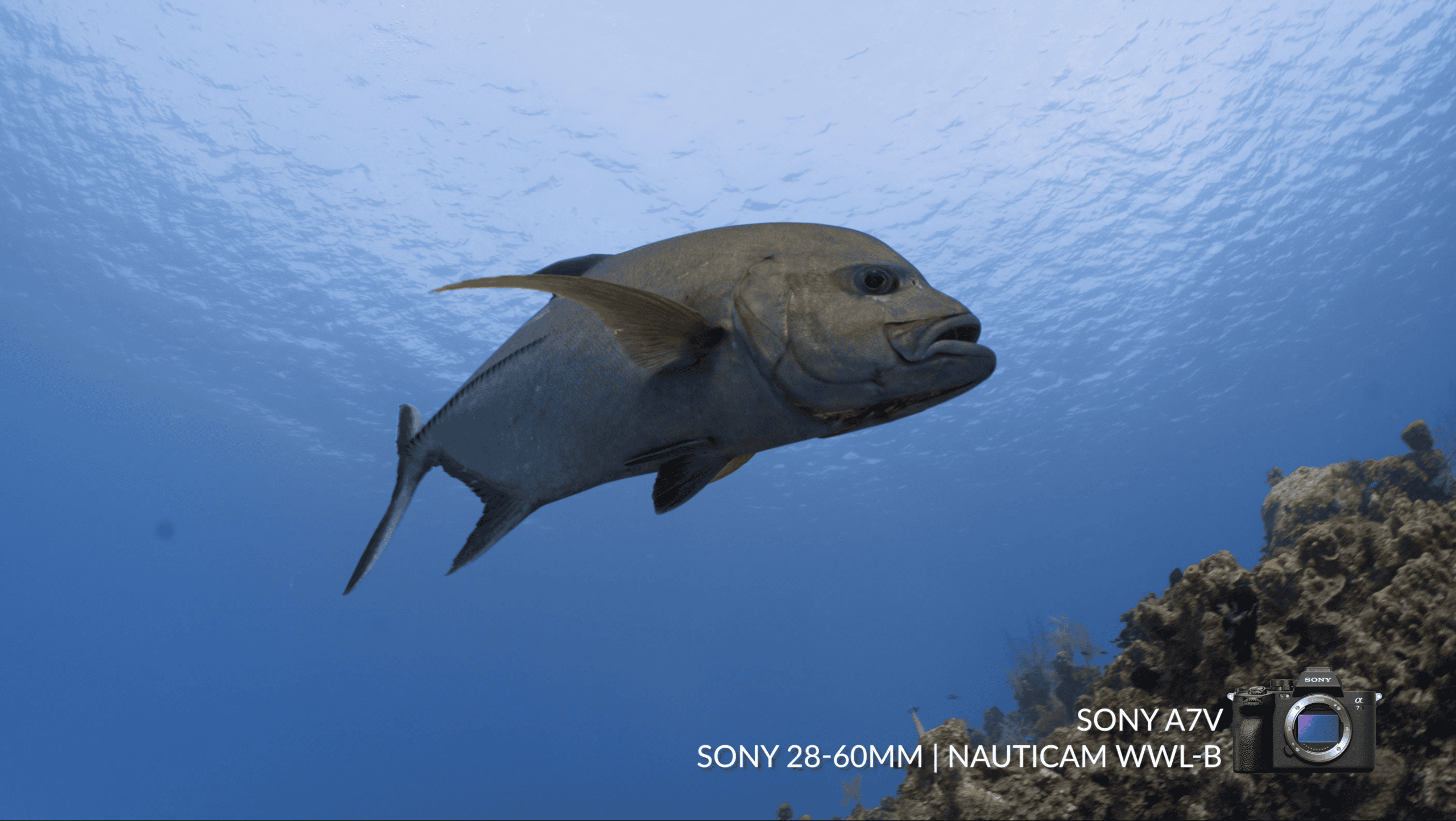
When it comes to color, Sony has consistently delivered accurate ambient white balance at depth since 2020, and the A7V stays true to that standard. The underwater color reproduction still looks fantastic and is incredibly reliable.
Where I saw the biggest improvement compared to older generations of Sony cameras, however, is the autofocus. I traditionally stick to manual focus when shooting video, but I decided to put the A7V’s AF to the test and walked away genuinely impressed. The camera completely avoided the dreaded focus hunting and locked onto moving subjects with ease. While I might not rely on it exclusively for every single dive, you can confidently trust this autofocus system for the vast majority of your shots.

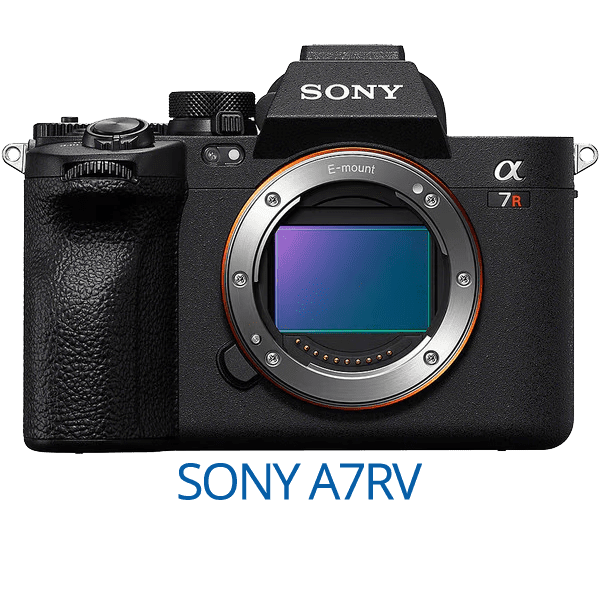
The Sony A7 V is Sony’s mid‑range full‑frame option, sitting below the A7R line (higher resolution) and the A7S line (more video‑centric). At 33 MP, it no longer feels like a “low‑resolution” compromise, and it keeps a solid 1/250 flash sync, which is faster than most of its competitors in this class of camera.
Where it really improves versus prior generations is versatility: the faster sensor readout and improved video specs mean you don’t have to choose as hard between a stills body and a video body—this camera can credibly do both and do it well. It can do 4K 60p full width and 4K 120p with a crop, which is a substantial upgrade.
Autofocus performance is the main caveat. With native Sony lenses, it’s close enough to other bodies that you don’t notice a big difference, though it’s still not quite on the level of Sony’s higher‑end options. But with a Canon 8–15mm on a Metabones adapter, AF was a major step backward—so slow it’s basically unusable as autofocus. We haven’t seen this for a couple of generation of the “R” camera. In that setup, the best approach is to preset focus and lock it.
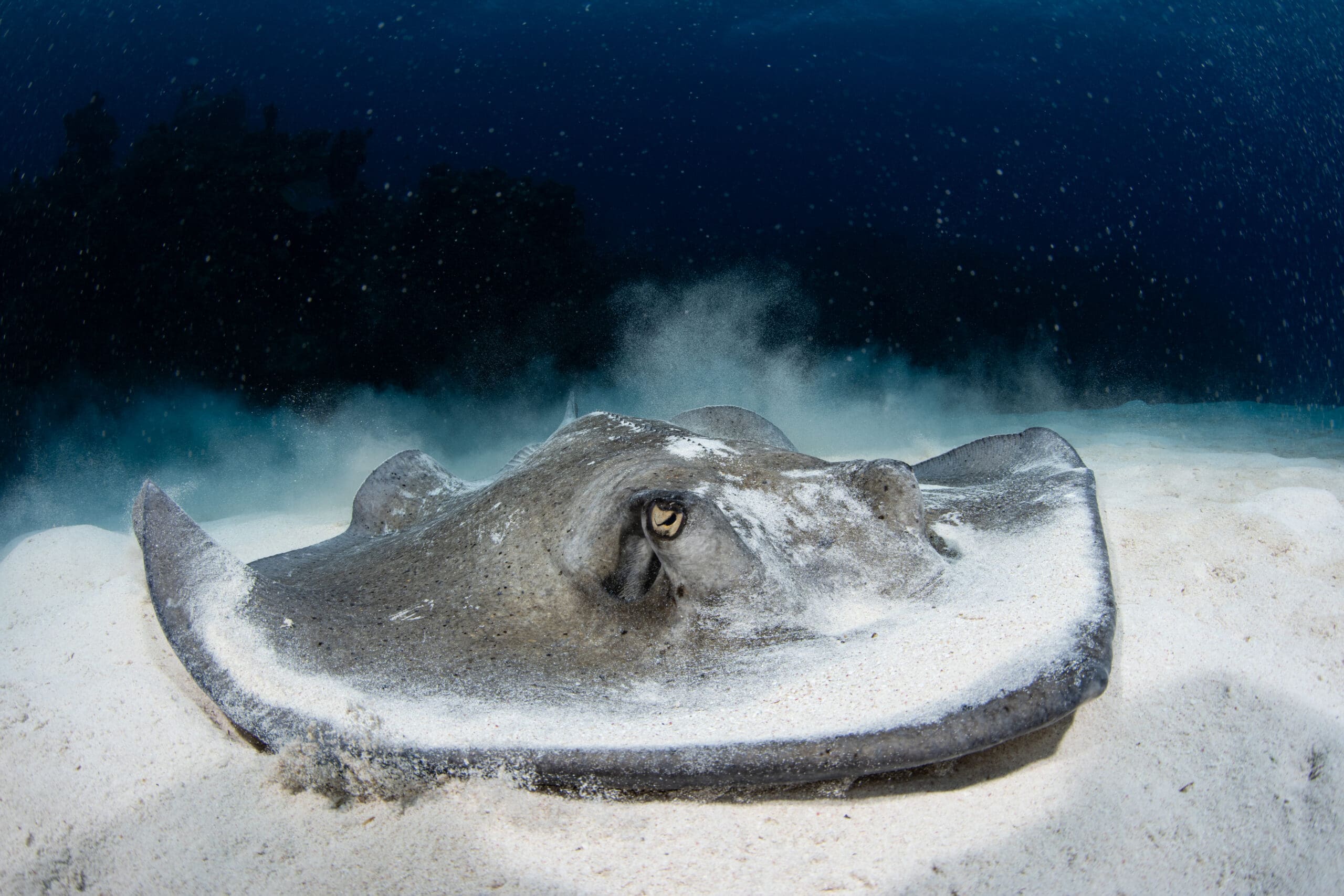
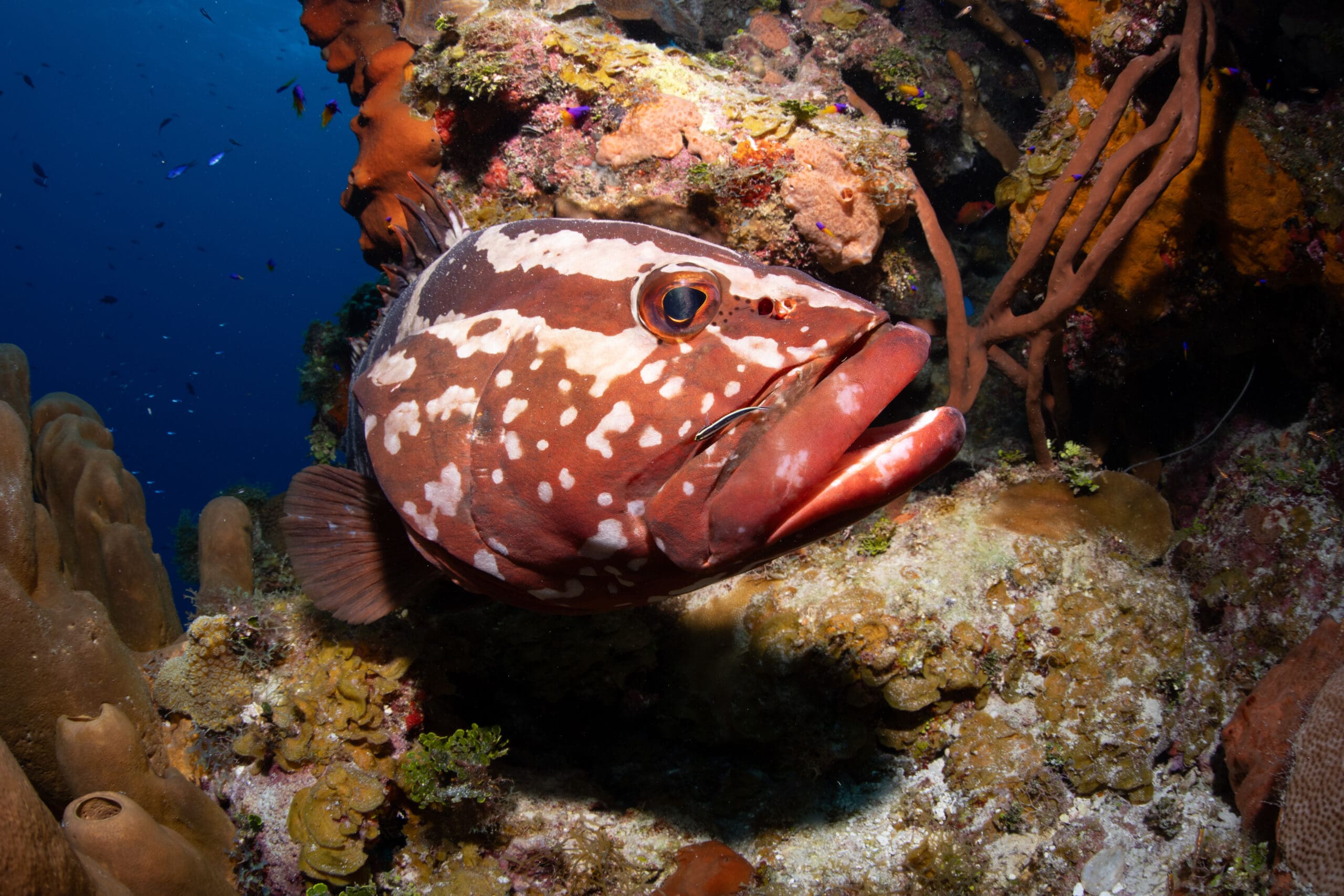

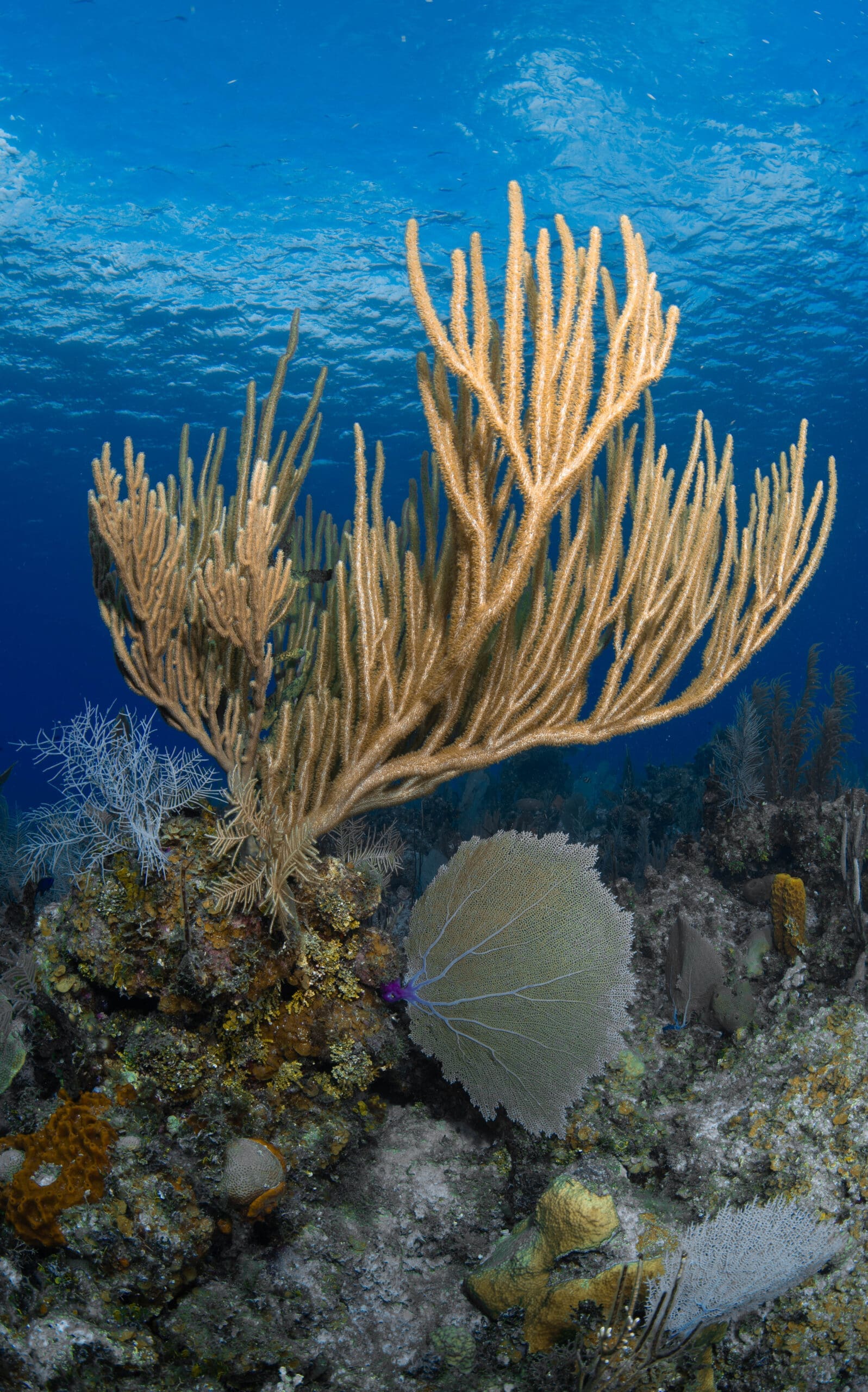
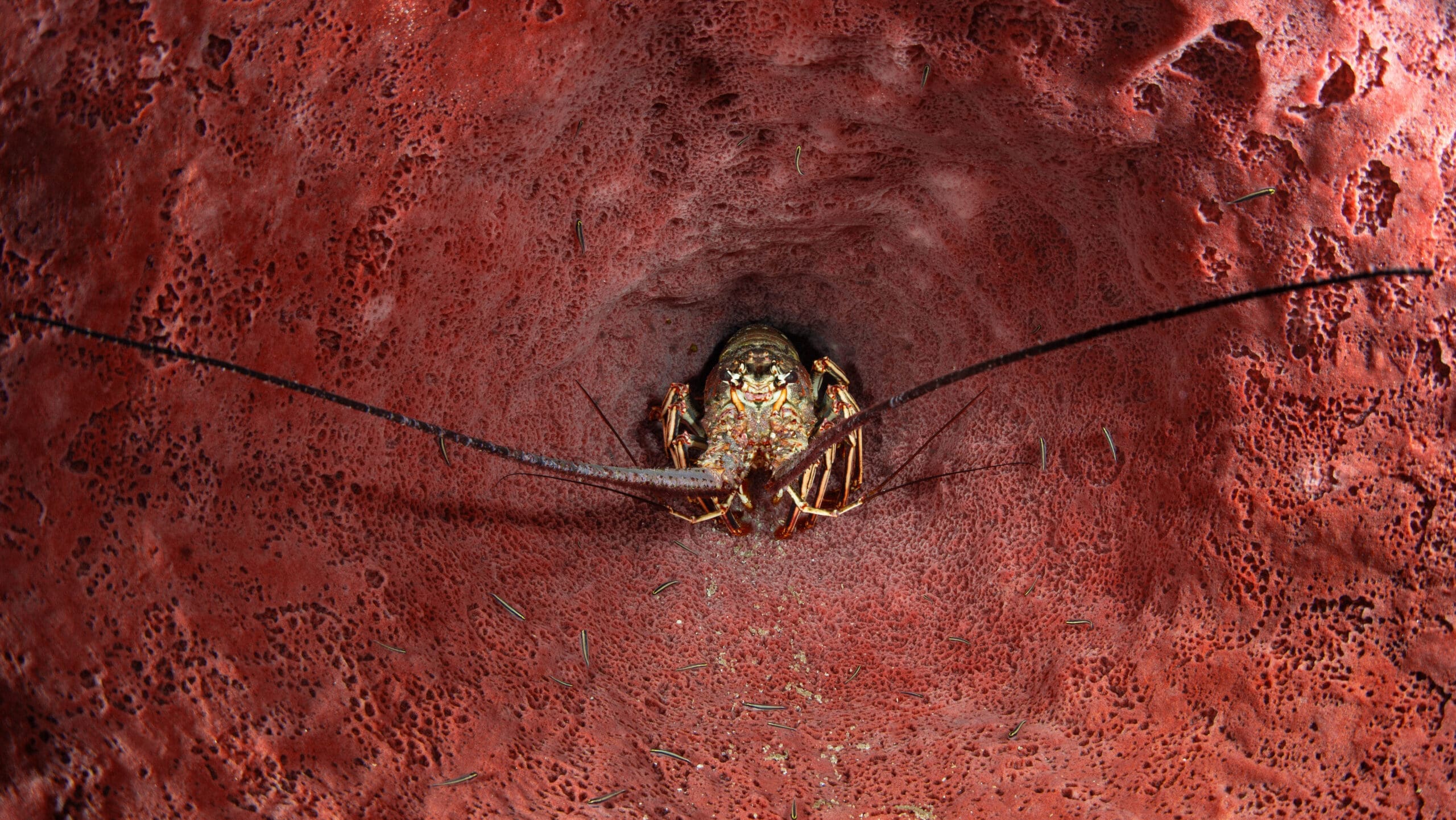
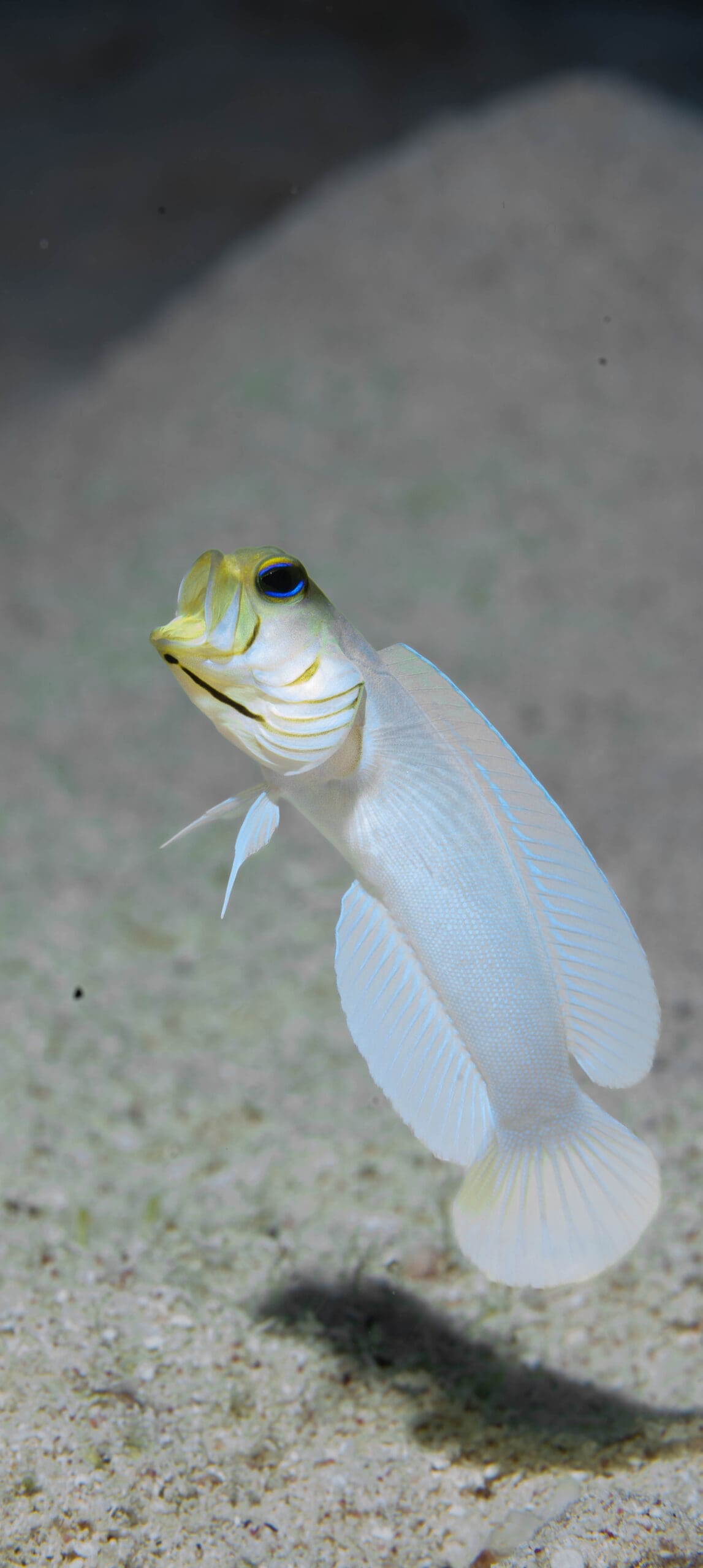
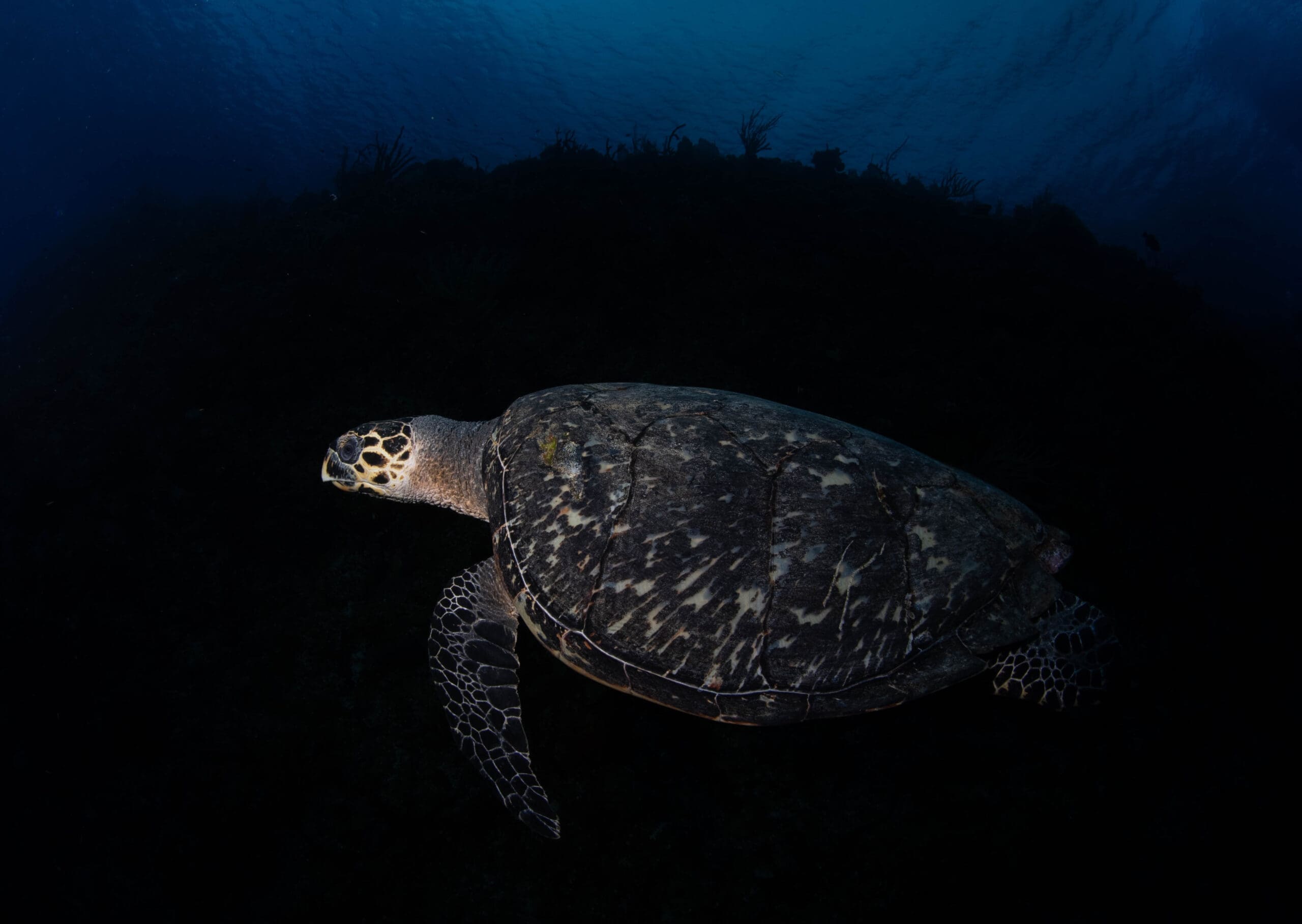
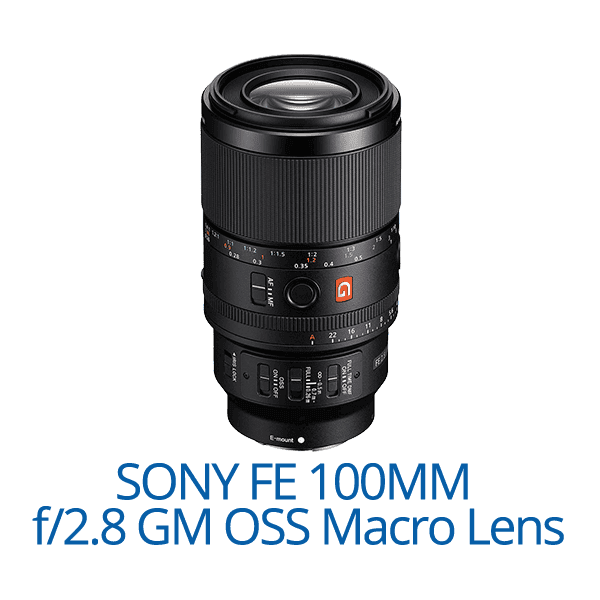
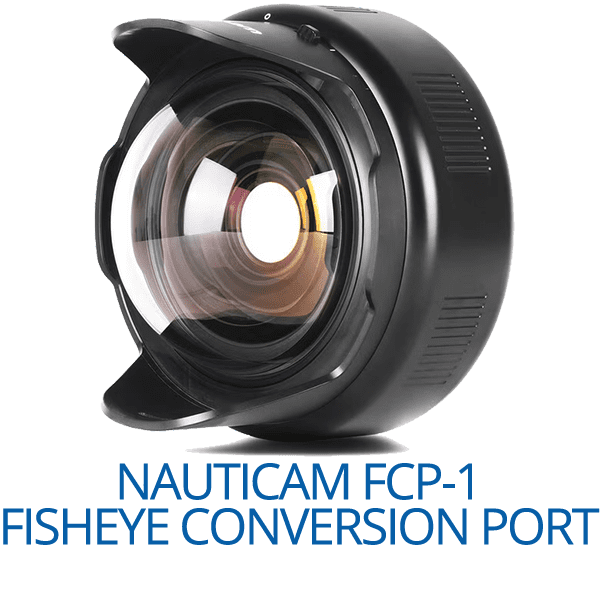
The latest in the A7 line of cameras, I was able to use the Sony A7 V across Little Cayman’s numerous dive sites with great results. Shot using the Canon EF 8-15mm Fisheye lens and the Metabones adapter behind a dome as well as the Sony 90mm, it was my go-to for the majority of my time at the Shootout.
The A7 V is a very well-balanced camera for anyone wanting to get into underwater photography. A full-frame 33MP sensor allows you to capture plenty of detail in your shots whether you get up-close and personal with marine life or back off for reefscape and coral shots. Like Sony’s other A7 series cameras, it does maintain 1/250 flash sync speed so you will have plenty of control over the brightness of your image’s background.
This camera is capable of recording 4K60fps which is great for anyone wanting to get into shooting video. The custom white balance process is very simple as well with quality results, only requiring a couple quick button presses to capture a WB once in the menu. It can go up to 4K120fps, but the video does crop at that point so it may not be the best match for anyone looking for professional or high-end video.
All-around, I found it easy to use and able to keep up with both myself and the subjects swimming around me. For anyone looking to get into underwater shooting or is interested in upgrading their rig to a full-frame setup, I’d happily recommend the Sony A7 V.